

In an era where sustainability is no longer a buzzword but a business imperative, the packaging industry is undergoing a profound transformation. Post-consumer recycled (PCR) plastic has emerged as a frontrunner in eco-friendly packaging solutions, particularly for jars and bottles used in cosmetics, food, beverages, and household products. Traditional plastics, derived from virgin fossil fuels, have long dominated the market due to their durability and low cost. However, with growing environmental concerns, regulatory pressures, and consumer demand for sustainable options, switching to PCR offers compelling advantages. This article explores the differences between PCR and traditional plastics, highlighting why making the switch can lead to more eco-friendly jars and bottles while benefiting your brand and the planet.
Keywords such as PCR plastic, post-consumer recycled packaging, sustainable jars, recycled bottles, eco-friendly plastic containers, and environmental impact of plastics will be woven throughout to optimize for search engines. We’ll delve into the production processes, benefits, challenges, and real-world applications, supported by data and visuals to provide a comprehensive guide for manufacturers, brands, and consumers alike.
1-Understanding PCR Plastic: The Sustainable Alternative
Post-consumer recycled plastic, or PCR, refers to materials made from plastic waste that has been used by consumers and then recycled. Unlike traditional plastics, which are produced from new, petroleum-based resins, PCR is sourced from discarded items like bottles, jars, and packaging collected through recycling programs. This process diverts waste from landfills and oceans, promoting a circular economy.
The production of PCR begins with collecting post-consumer waste, sorting it by type (e.g., PET, HDPE), cleaning, and grinding it into flakes. These flakes are then melted and extruded into pellets, which can be molded into new products. PCR can contain varying percentages of recycled content, from 10% to 100%, depending on the application and regulatory requirements. For eco-friendly jars and bottles, PCR is particularly advantageous because it maintains similar properties to virgin plastic while significantly reducing environmental footprint.
Visualize the raw material: PCR pellets are small, uniform granules ready for manufacturing.
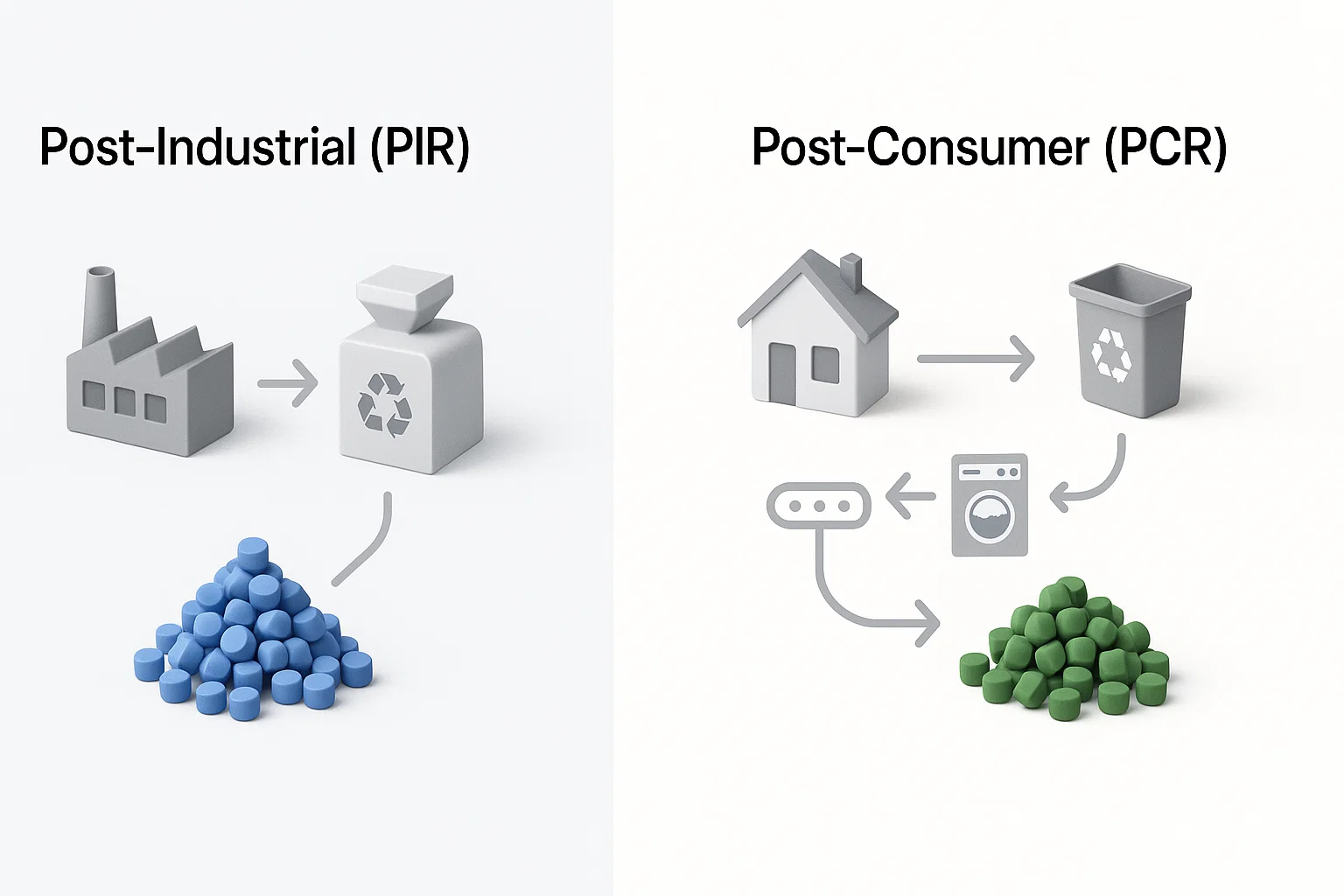
These pellets are often translucent or colored, depending on the source material, and are engineered to meet food-grade standards when necessary.
In contrast to traditional plastics, PCR reduces the need for new raw materials, conserving resources and lowering energy consumption. Studies show that using PCR can cut energy use by up to 79% and greenhouse gas emissions by at least 67% compared to virgin plastic production. This makes PCR an ideal choice for sustainable packaging in industries aiming for net-zero goals.
2- Traditional Plastics: The Conventional Choice and Its Drawbacks
Traditional plastics, also known as virgin plastics, are manufactured from fossil fuels like crude oil or natural gas. The process involves extracting hydrocarbons, cracking them into monomers (e.g., ethylene, propylene), and polymerizing them into resins. These resins are then pelletized and used to create products through injection molding, blow molding, or extrusion.
The production is energy-intensive and contributes significantly to carbon emissions. For instance, producing one ton of virgin plastic can emit up to 5 tons of CO2 equivalents. Traditional plastics are prized for their purity, consistency, and mechanical strength, making them suitable for high-clarity jars and bottles. However, their reliance on non-renewable resources exacerbates issues like plastic pollution and resource depletion.
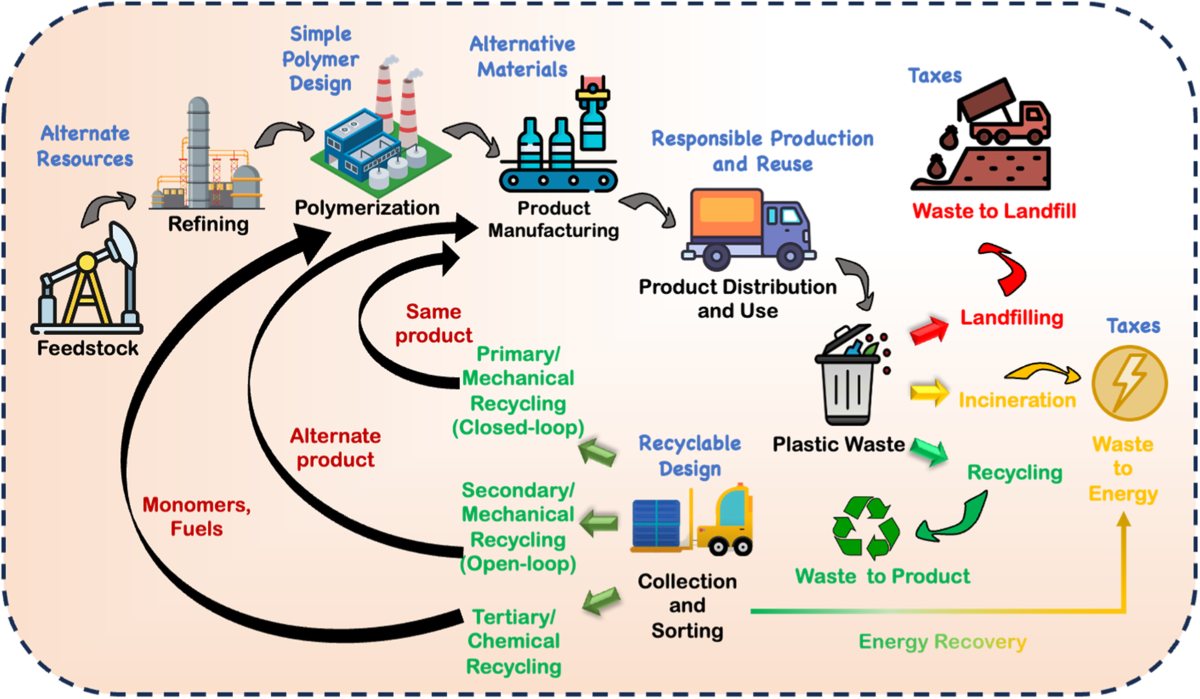
Plastic recycling: A panacea or environmental pollution problem …
This linear model—extract, produce, use, discard—contrasts sharply with the circular approach of PCR.
While traditional plastics offer excellent barrier properties and durability, their environmental toll is undeniable. Billions of tons end up in landfills annually, taking centuries to degrade and releasing microplastics into ecosystems. For jars and bottles, this means contributing to ocean pollution if not properly managed.
3- Environmental Impact: A Side-by-Side Comparison
When comparing PCR vs. traditional plastics, the environmental impact is a key differentiator. Traditional plastics contribute to habitat destruction through oil extraction, high water usage in refining, and persistent waste. In contrast, PCR repurposes existing waste, reducing landfill volume and marine debris.
A visual comparison highlights the stark differences in lifecycle impacts.
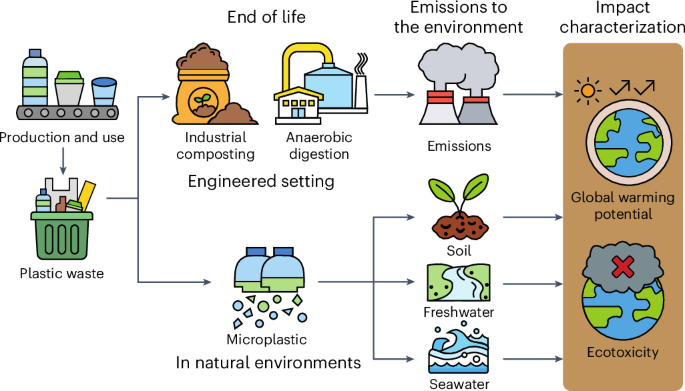
Traditional plastics have a higher carbon footprint from cradle to grave, while PCR lowers emissions by reusing materials.
Quantitatively, switching to PCR for packaging can reduce plastic waste by diverting materials from disposal sites. For eco-friendly jars and bottles, PCR minimizes the extraction of new fossils, conserving biodiversity and reducing pollution. Moreover, PCR production uses less water and energy, making it a greener option for sustainable packaging.
However, not all PCR is equal; mechanical recycling (common for PCR) can degrade material quality over multiple cycles, but advancements in chemical recycling are addressing this, allowing for higher-quality recycled resins comparable to virgin ones.
4- Benefits of Switching to PCR for Eco-Friendly Jars and Bottles
The shift to PCR offers multifaceted benefits, starting with sustainability. By using post-consumer recycled content, brands can achieve eco-friendly packaging that aligns with consumer preferences—over 70% of consumers prefer sustainable products. For jars and bottles, PCR maintains durability, with modern formulations rivaling traditional plastics in strength and clarity.
Cost-effectiveness is another advantage; while initial PCR costs may be higher, long-term savings come from reduced raw material dependency and potential tax incentives for green practices. PCR also enhances brand image, fostering loyalty among eco-conscious customers.
In applications like cosmetic jars and beverage bottles, PCR provides excellent chemical resistance and lightweight design, reducing shipping emissions. Examples of eco-friendly jars and bottles made from PCR demonstrate their versatility and aesthetic appeal.
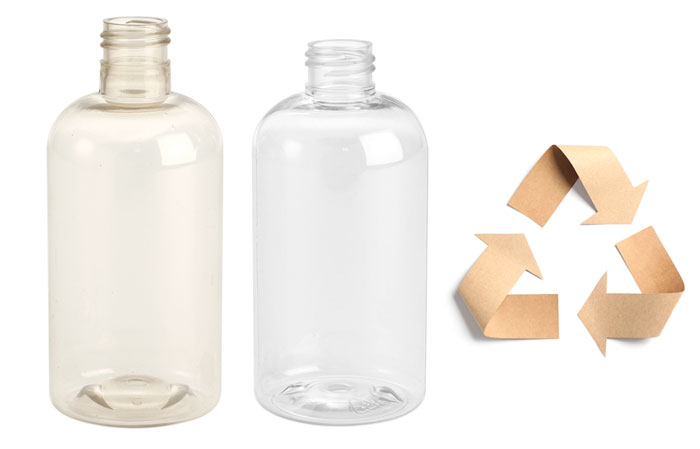
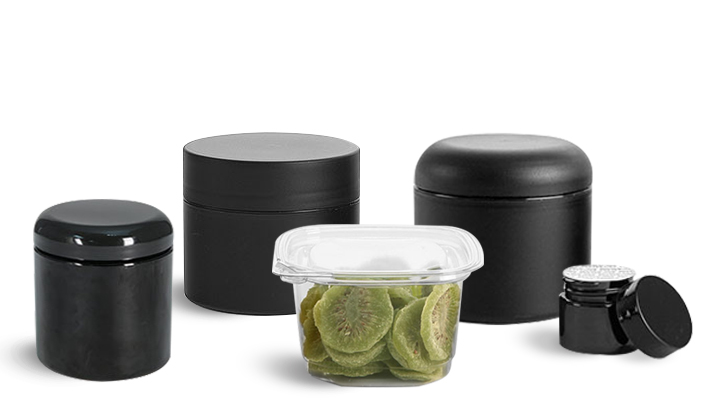
Furthermore, PCR supports regulatory compliance, such as extended producer responsibility (EPR) laws mandating recycled content in packaging. This positions brands as leaders in sustainable jars and recycled bottles.
5- The Recycling Process: From Waste to PCR Resin
Understanding the recycling process underscores why PCR is superior for eco-friendly packaging. Post-consumer waste is collected, sorted using advanced technologies like AI-driven optical sorters, and baled. It’s then washed to remove contaminants, shredded into flakes, and melted into pellets.
This diagram illustrates the step-by-step recycling process for PCR resin.
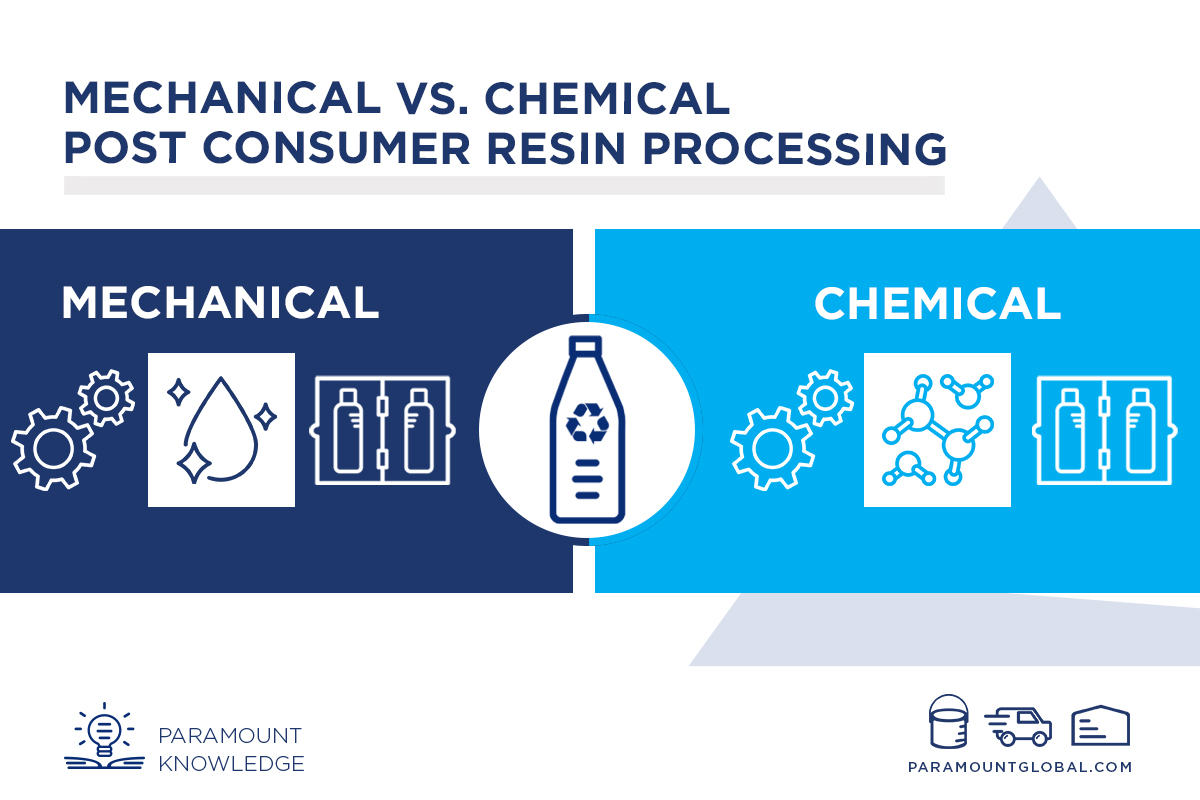
Mechanical vs Chemical Post Consumer Recycled Resin
The closed-loop system ensures minimal waste, with byproducts often reused.
For jars and bottles, PCR resin is blow-molded or injection-molded, resulting in products that are recyclable again, perpetuating the cycle. This contrasts with traditional plastics, which often end up as single-use items.
6- Challenges in Adopting PCR and How to Overcome Them
Despite its benefits, switching to PCR isn’t without hurdles. Supply chain inconsistencies can lead to variable quality, as PCR depends on recycling rates. Color variations and potential odors from contaminants may affect aesthetics for high-end jars and bottles.
Solutions include partnering with certified suppliers for consistent PCR grades and using additives to enhance properties. Technological advancements, like improved sorting and decontamination, are making PCR more reliable.
Cost barriers can be mitigated through economies of scale and government subsidies for sustainable packaging initiatives.
7- Real-World Examples and Case Studies
Many brands have successfully adopted PCR for eco-friendly jars and bottles. For instance, major cosmetic companies use PCR in their packaging, reducing plastic waste by millions of tons annually. Beverage giants like Coca-Cola have incorporated up to 50% PCR in bottles, demonstrating feasibility at scale.
These sustainable packaging examples showcase innovative designs.


8- Conclusion: Embracing PCR for a Greener Future
Switching from traditional plastics to PCR for eco-friendly jars and bottles is a strategic move toward sustainability. With benefits like reduced environmental impact, cost savings, and enhanced brand loyalty, PCR represents the future of packaging. As recycling technologies evolve, the gap between PCR and virgin plastics narrows, making the transition seamless.
Brands investing in post-consumer recycled packaging today will lead tomorrow’s market, contributing to a circular economy and a healthier planet. Whether for sustainable jars or recycled bottles, PCR is the smart, eco-friendly choice.