

In 2026, the cosmetics industry stands at a pivotal crossroads where sustainable plastic packaging for cosmetics is no longer a marketing buzzword — it’s a regulatory requirement, consumer demand, and competitive necessity. With the EU’s Packaging and Packaging Waste Regulation (PPWR) taking full effect mid-2026, brands must deliver packaging that is fully recyclable, incorporates minimum recycled content, and minimizes virgin plastic use. Global beauty giants and indie labels alike are racing toward innovations that cut plastic waste while preserving product integrity, premium aesthetics, and shelf appeal.
From post-consumer recycled (PCR) resins and mono-material designs to next-generation bioplastics like PHA and algae-based polymers, innovations in plastic packaging for cosmetics are transforming how serums, creams, lipsticks, and mascaras reach consumers. This 2026-focused guide explores every major breakthrough, real-world case studies, regulatory impacts, and practical implementation strategies to help your brand stay ahead.
Whether you’re a formulator, packaging buyer, or sustainability manager, these sustainable options deliver measurable reductions in carbon footprint — up to 70% in some refill systems — while boosting brand loyalty among the 69% of consumers who actively seek eco-friendly beauty packaging.

hy Sustainable Plastic Packaging Matters in Cosmetics for 2026
The cosmetics sector generates over 120 billion packaging units annually, with more than 70% ending up in landfills or oceans. In 2026, pressure from both regulators and Gen-Z/Millennial shoppers (who represent 60% of beauty spend) has made sustainability non-negotiable.
Key drivers include:
- EU PPWR (effective August 2026): All packaging must be recyclable by 2030; plastic packaging requires increasing recycled content targets (30% by 2030, higher by 2040).
- PFAS ban: Harmful “forever chemicals” prohibited in food-contact and cosmetic packaging from August 2026.
- US state EPR laws: California, New York, and others mandate producer-funded recycling programs with minimum recycled content.
- Consumer shift: 54% of shoppers deliberately choose sustainable packaging; beauty leads with 30%+ noticing improvements.
Brands ignoring these trends risk lost shelf space, fines, and reputational damage. Conversely, leaders using rPET, mono-material PP/PE, and bio-based plastics report 15-25% higher repeat purchase rates.
1. Post-Consumer Recycled (PCR) Plastics & rPET: Closing the Loop
PCR plastics — made from consumer waste like water bottles — now reach food-grade and cosmetic-grade purity thanks to advanced sorting and decontamination.
Key innovations in 2026:
- rPET with 50-100% recycled content in bottles and jars.
- Certified PCR HDPE/PP for pumps, caps, and tubes.
- Chemical recycling (e.g., Carbios’ enzymatic process) enabling infinite loops without quality loss.
Benefits:
- Up to 70% lower carbon emissions vs. virgin plastic.
- Maintains clarity, strength, and barrier properties for sensitive formulas.
Brands leading: REN Clean Skincare’s EVERCALM cream uses 100% PCR bottles; L’Oréal achieved 32% recycled/biobased across packaging; Susanne Kaufmann offers full PCR refill lines.
Aptar Announces the World’s First Packaging for Cosmetics Using Certified Recycled Plastic
REN Clean Skincare bottles made from certified post-consumer recycled plastic, surrounded by PCR pellets — a benchmark for 2026 cosmetic packaging.
2. Bioplastics & Bio-Based Polymers: Plant-Powered Performance
Bioplastics derived from sugarcane, corn, algae, and even mycelium (mushroom roots) deliver drop-in replacements for traditional plastics.
2026 highlights:
- PHA (Polyhydroxyalkanoates): Marine- and home-compostable; Wild and Sonsie use Vivomer PHA for refills that biodegrade like a banana peel.
- Algae-based films: For sachets and secondary packaging.
- Sugarcane PE: 100% renewable, recyclable in existing streams.
These materials reduce fossil dependency by 80-100% while offering excellent chemical resistance for oils and serums.

3. Mono-Material Designs: Simplifying Recycling
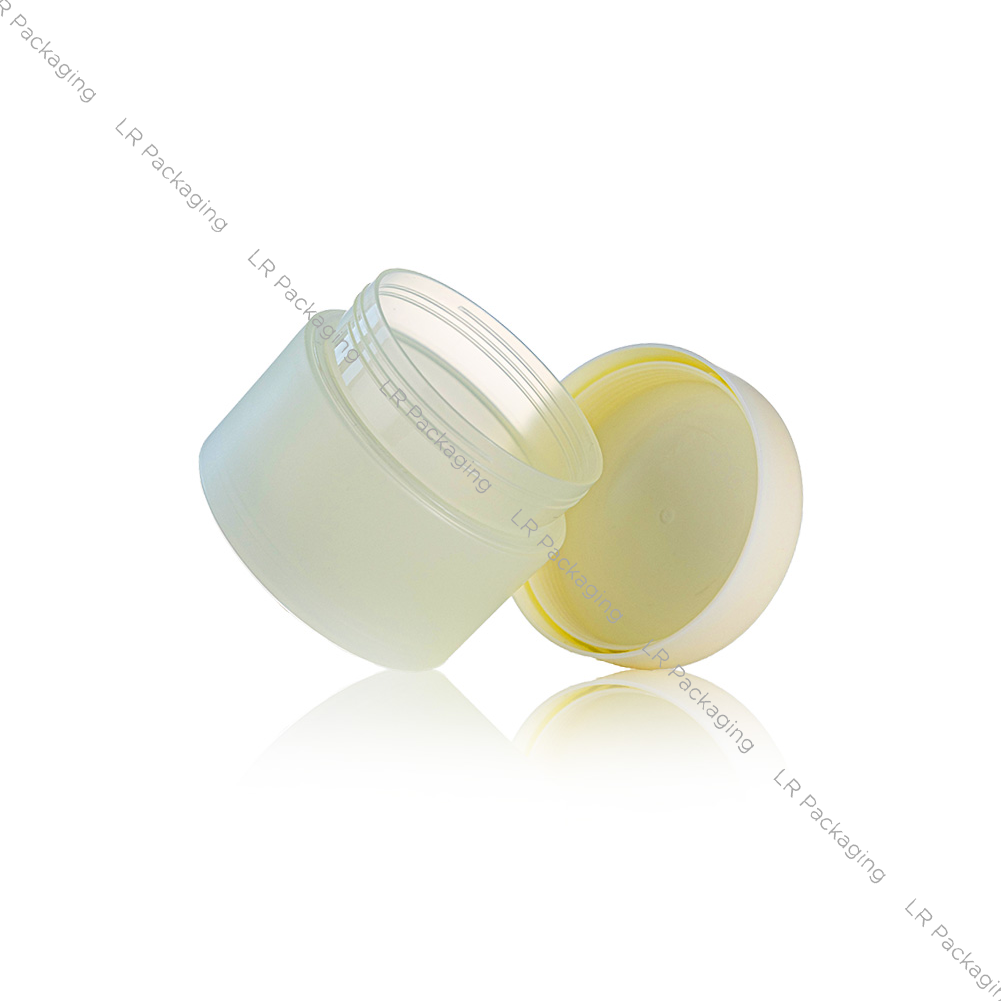
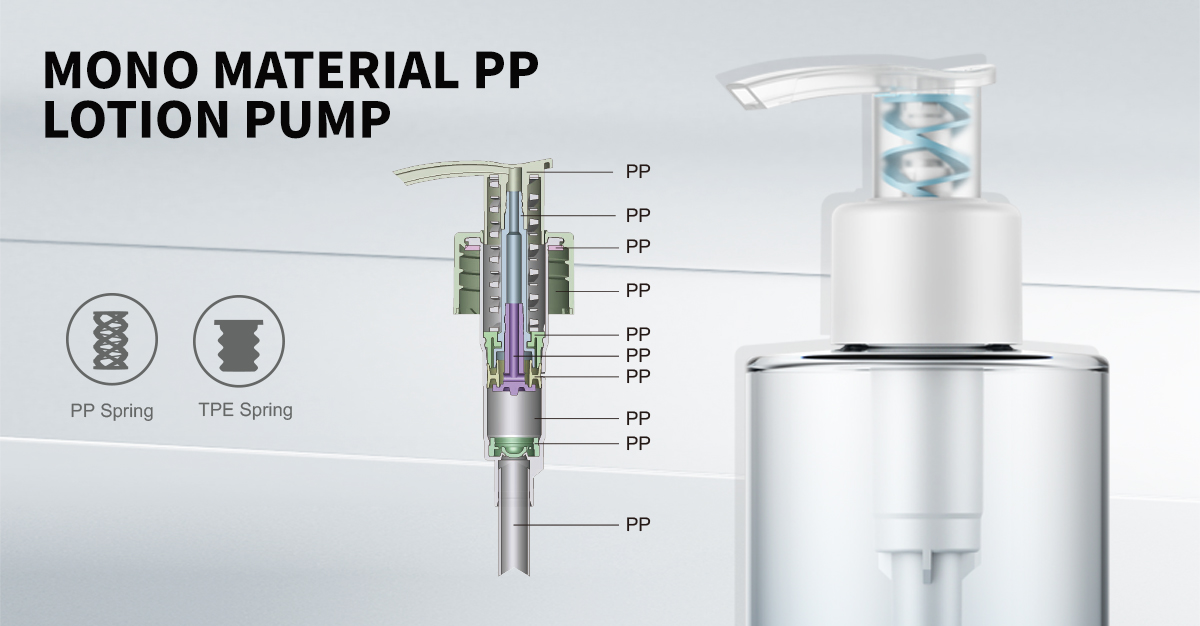
Mixed materials are the enemy of recycling. 2026’s gold standard: all-PE or all-PP packaging where bottle, cap, pump, and label are the same resin.
Innovations:
- Aptar’s mono-material airless pumps (100% PP).
- Sun-Rain’s mono-PP lotion pumps with TPE or PP springs.
- Full mono-material tubes and jars that recycle in standard streams without disassembly.
Result: Recycling rates jump from <20% to 80%+ in closed-loop systems.
4. Airless & Refillable Systems: Waste Reduction at Scale
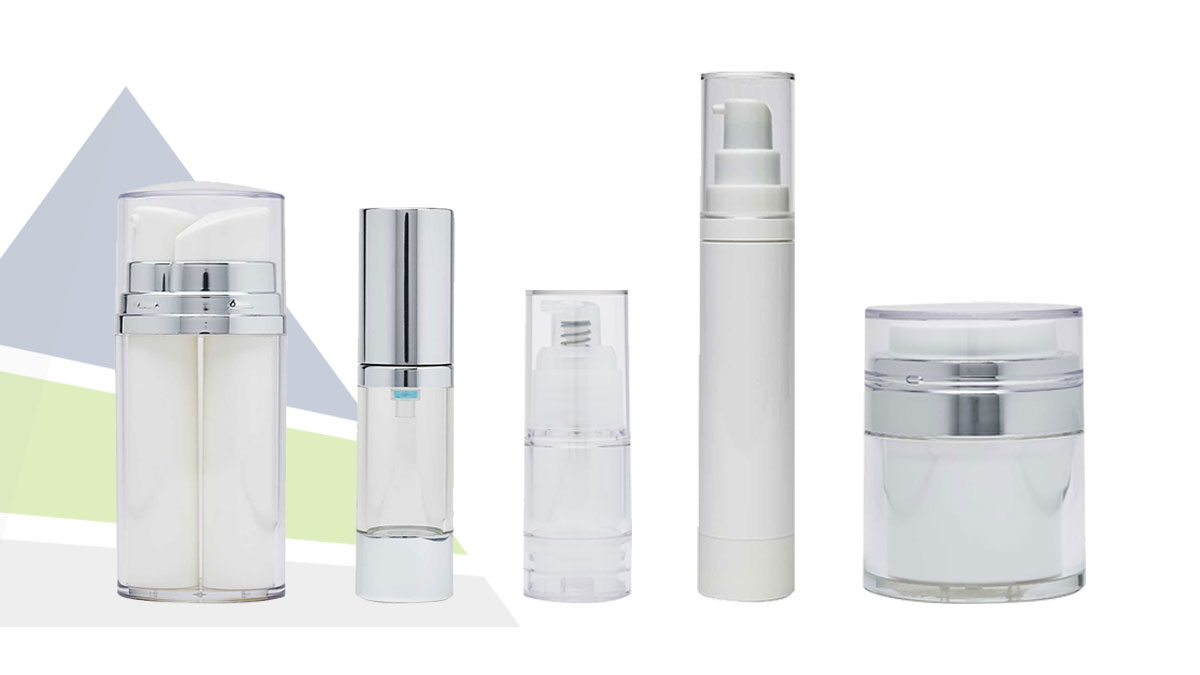
Airless pumps protect formulas from oxidation and contamination while enabling lightweight, high-recycled-content designs.
Refill revolution:
- Rigid outer jar + compostable or PCR inner refill pouch.
- Wild’s aluminum + PHA refill system.
- Credo Beauty’s NewMatter lotion pump made entirely from small-format beauty waste collected at 3,300+ stores.
These solutions cut plastic use by 60-90% per consumer over a product’s lifetime.
5. Smart Packaging: QR Codes, NFC & Digital Traceability
Consumers want proof, not promises. 2026 smart plastic packaging integrates:
- QR codes linking to recycling instructions, carbon footprint data, and authenticity verification.
- NFC chips for “tap-to-learn” experiences (ingredients, refill locations, impact reports).
- Blockchain-tracked supply chains from resin to shelf.
Meiyume’s NFC-enabled jars and L’Oréal pilot programs show 40% higher engagement when packaging tells its own sustainability story.
Smart Packaging in Cosmetics: 7 Powerful Technologies Revolutionizing the Industry
Smart QR-enabled cosmetic bottle being scanned — delivering transparency and recycling guidance directly to the consumer’s phone.
6. Lightweighting & Minimalist Design
Advanced blow-molding and material science now achieve 20-35% thinner walls without compromising protection.
2026 examples:
- Ultra-light rPET bottles with reinforced bases.
- Thin-wall tubes using high-performance bio-PE.
- Elimination of secondary cartons via direct-print mono-material designs.
Combined with waterless formats (solid bars, concentrates), total plastic per unit drops dramatically.

Real-World Case Studies: Brands Winning with 2026 Innovations
REN Clean Skincare: First major brand to launch 100% PCR airless bottles in 2025-2026, achieving 68% lower emissions.
Credo Beauty & Pact Collective: Created NewMatter resin from tiny beauty packaging waste — now used in lotion pumps sold in 3,300+ doors.
Wild: PHA refills + reusable aluminum cases; 90% plastic reduction per consumer.
L’Oréal: 32% recycled/biobased target met early; multiple mono-material and refill launches across Garnier, L’Oréal Paris, and luxury portfolio.
Susanne Kaufmann: Full PCR refill collection with elegant, functional design.
These brands report 20-35% sales uplift in sustainable SKUs and stronger retailer partnerships.
Regulatory Roadmap: What You Must Comply With in 2026
- EU PPWR: Recyclability by design, recycled content targets, PFAS ban (Aug 2026), harmonized labeling.
- US: State EPR (CA, NY, etc.), proposed federal PACK Act for truthful claims.
- Global: ISCC certification increasingly required for marketing “eco-friendly” claims.
Non-compliance risks product bans and multimillion-dollar fines. Early adopters of mono-material + PCR are already audit-ready.
How to Choose & Implement Sustainable Plastic Packaging in 2026
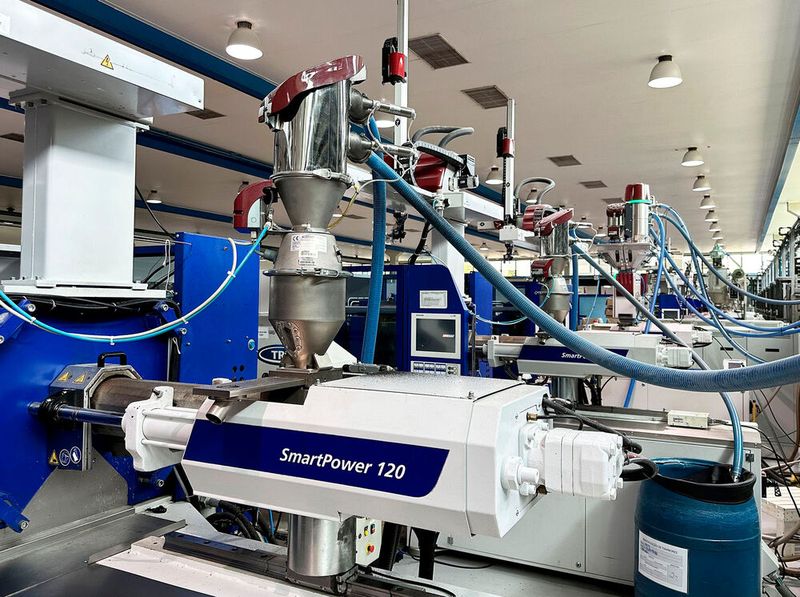
- Audit current portfolio — Identify high-volume items for mono-material conversion.
- Partner with certified suppliers — Demand ISCC, FDA/EU food-contact, and recyclability data.
- Pilot refill systems — Start with hero products (face creams, serums).
- Integrate smart features — QR/NFC adds <5% cost but 3-5x engagement.
- Measure & communicate — Use lifecycle assessments and transparent labeling.
Budget tip: Initial investment in sustainable tooling pays back in 12-18 months via premium pricing (+8-15%) and reduced regulatory risk.
Future Outlook: Beyond 2026
By 2030, expect:
- 100% recyclable or compostable beauty packaging as standard.
- Widespread chemical recycling infrastructure.
- AI-optimized designs minimizing material while maximizing protection.
- Consumer-facing apps that reward returns and refills.
Brands that invest now will own the narrative of responsible luxury.
Conclusion: Sustainable Plastic Packaging Is the Future of Beauty
Innovations in plastic packaging for cosmetics have evolved from nice-to-have to must-have in 2026. Whether through rPET, bioplastics, mono-material engineering, refill systems, or smart connectivity, these solutions deliver superior performance, lower environmental impact, and stronger consumer connection.
The brands succeeding today — and thriving tomorrow — are those treating packaging as a core sustainability pillar rather than an afterthought. Start your transition now: audit, pilot, scale, and communicate every win.