

In the booming clean beauty and skincare industry, sugarcane packaging has emerged as one of the most impactful sustainable innovations. Brands and consumers alike are shifting toward sugarcane-based jars, tubes, bottles, and lids to dramatically lower their carbon footprint while maintaining premium aesthetics and performance.
Whether you’re a skincare formulator, brand owner, or packaging buyer searching for sugarcane packaging for skincare, carbon-negative cosmetic packaging, sugarcane bagasse tubes and jars, or eco-friendly skincare trends 2026, this comprehensive guide covers everything. We explore the science, types, real-world applications, manufacturing process, and best practices that make sugarcane packaging a smarter, greener choice than traditional petroleum-based plastics.
Optimized for SEO with key terms like sugarcane packaging skincare, reducing carbon footprint with sugarcane packaging, biodegradable skincare packaging trends, and sustainable sugarcane cosmetics packaging, this guide will help brands cut CO₂ emissions by up to 70%, meet consumer demand for planet-positive products, and stand out on retail shelves.
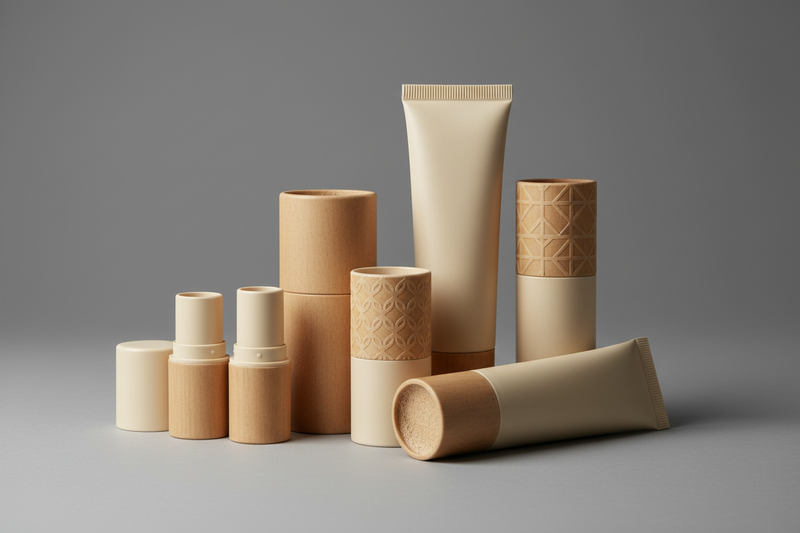
- Decoding the Trend: What Is Sugarcane Packaging in Skincare?
Sugarcane packaging is made from bagasse — the fibrous residue left after sugarcane is crushed for sugar. This renewable, plant-based material is molded into rigid jars, squeeze tubes, bottles, lids, and even secondary packaging. Unlike fossil-fuel plastics, sugarcane packaging is often carbon-negative: the sugarcane plant absorbs more CO₂ during growth than is emitted during processing and transport.
In skincare, it delivers the same functionality as traditional plastic — barrier protection, lightweight design, and premium feel — but with a much smaller environmental impact. Leading brands now use 100% sugarcane-derived bioplastics (also called bio-PE or bio-PP) that are fully recyclable, biodegradable in industrial composting, and certified for food-contact safety.
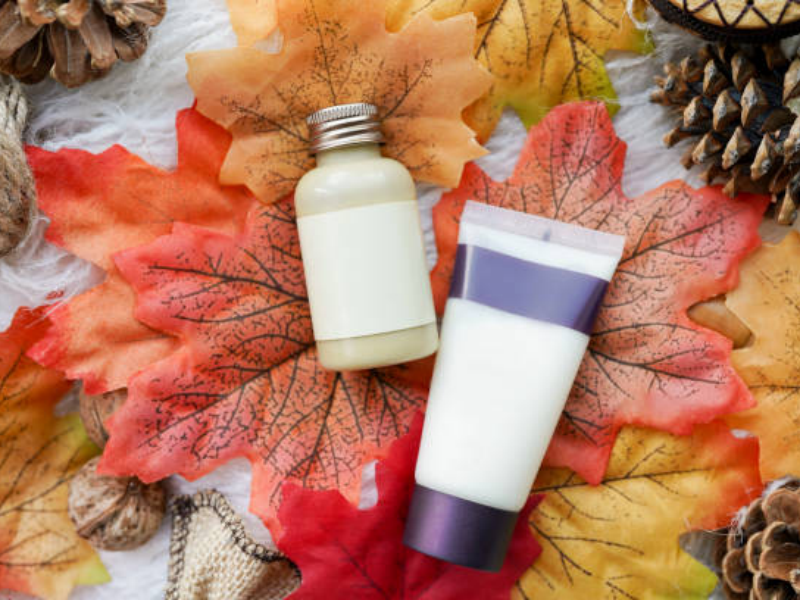
- The Diverse Family: Types of Sugarcane Packaging for Skincare
Sugarcane packaging comes in multiple formats tailored to different skincare products:
- Squeeze Tubes: Ideal for creams, serums, and masks. 100% sugarcane bio-plastic with excellent squeeze and barrier properties.
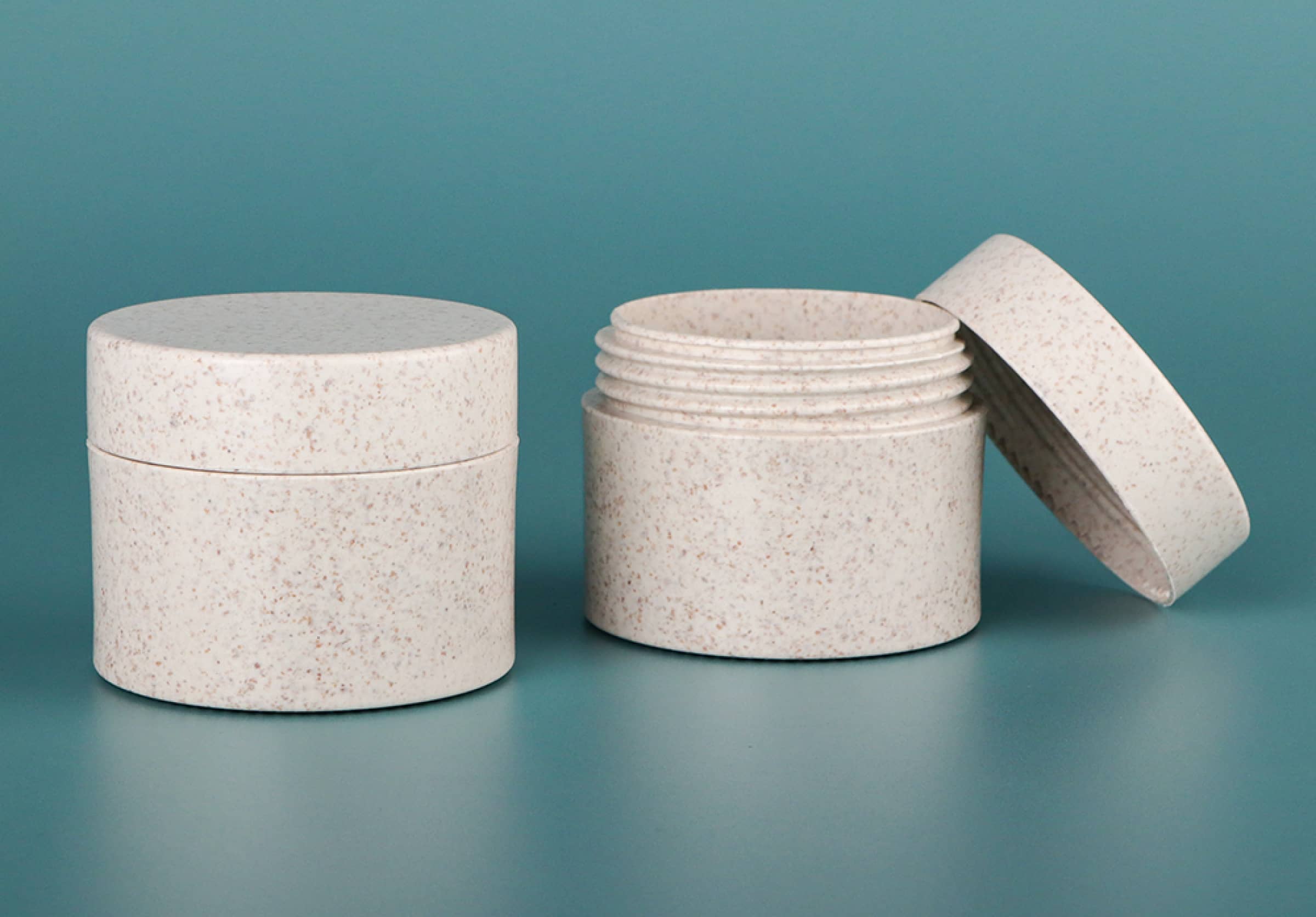
- Rigid Jars: Perfect for face creams, body butters, and exfoliators. Available in matte or glossy finishes with sugarcane lids.
- Bottles & Droppers: For oils, toners, and liquid serums. Lightweight yet durable with precise dispensing.
- Lids, Caps & Accessories: Fully sugarcane-based pump dispensers, flip-tops, and screw caps.
- Secondary Packaging: Folding cartons and mailer boxes made from sugarcane paper or molded fiber.
- The Science: How Sugarcane Packaging Reduces Carbon Footprint
The environmental advantage is rooted in the sugarcane plant’s rapid growth cycle. One hectare of sugarcane captures approximately 20–30 tons of CO₂ per year — far more than trees. When bagasse is turned into packaging:
- The material is carbon-negative or neutral because the CO₂ absorbed during growth offsets emissions from manufacturing.
- Independent lifecycle assessments show up to 70% lower carbon emissions compared to conventional virgin plastic.
- At end-of-life, sugarcane packaging biodegrades in industrial compost within months or can be recycled in standard plastic streams (bio-PE behaves like fossil PE).
This makes it an ideal solution for skincare brands targeting net-zero goals and eco-conscious consumers.

- Key Applications in Skincare Packaging
Skincare brands are leading the adoption:
- Face Cream Jars & Body Butters: Rigid sugarcane jars with matching lids for a luxurious, matte finish.
- Serum & Oil Bottles: Dropper and pump bottles that protect light-sensitive formulas.
- Lip Balms & Masks: Squeeze tubes or stick formats for convenient, waste-free application.
- Travel & Refill Systems: Lightweight, shatter-resistant packaging perfect for clean beauty lines.
Major brands report 25–40% higher consumer preference for sugarcane-packaged products on store shelves.
- Inside the Process: How Sugarcane Packaging Is Made
The manufacturing process is clean and efficient:
- Bagasse Collection — Fiber residue from sugar mills.
- Pulping & Refining — Turned into pulp and blended with minimal additives.
- Molding — Injection or compression molding into tubes, jars, or bottles.
- Finishing — Surface treatment for printability and barrier enhancement.
- Quality Control — Tested for strength, leak-proofing, and compostability.
Modern lines use renewable energy and closed-loop water systems, keeping the entire process low-carbon.
Bagasse Food Containers Whitepaper – A Sustainable Future in Packaging
- Best Practices & 2026 Trends
- Choose 100% sugarcane bio-plastic for full carbon-negative claims.
- Pair with recycled paperboard for secondary packaging.
- Use mono-material designs for easier recycling.
- Print with soy- or water-based inks to maintain full compostability.
- Offer refill programs to further reduce single-use impact.
Advantages Over Traditional Plastic
- Lower Carbon Footprint: Up to 70% reduction in CO₂.
- Renewable & Biodegradable: Plant-based and compostable.
- Consumer Appeal: Visible “green” storytelling boosts brand loyalty.
- Performance Parity: Same durability, clarity, and barrier properties.
- Regulatory Readiness: Meets EU single-use plastic directives and US FTC green claims.
Pro Tips for Brands
- Conduct a full lifecycle assessment to quantify your carbon savings.
- Clearly label packaging with “Made from Sugarcane” and disposal instructions.
- Start with one hero product line to test market response.
- Partner with certified suppliers for traceability and GRS/OK Compost certification.
- Educate consumers through QR codes linking to sustainability stories.
Frequently Asked Questions (FAQ)
Is sugarcane packaging really carbon-negative? Yes — the plant absorbs more CO₂ than is emitted during production.
Can it replace all plastic skincare packaging? Most formats (tubes, jars, bottles) are already available in sugarcane.
Is it recyclable or compostable? Both — recyclable in standard streams and industrially compostable.
Does it cost more than traditional plastic? Slightly higher upfront, but often offset by marketing value and long-term sustainability gains.
Is it suitable for sensitive skincare formulas? Yes — certified food-contact safe with excellent barrier properties.
Conclusion: Join the Sugarcane Packaging Revolution in Skincare
Sugarcane packaging is more than a trend — it’s a powerful way to reduce your skincare brand’s carbon footprint while delivering premium, planet-positive products that consumers love. In 2026, brands that embrace sugarcane packaging will lead the clean beauty movement with authentic sustainability and standout shelf presence.